até quando se pode fazer queimadas Com estiagem, produtor deve ficar atento às queimadas
As we enter the dry season, it is important for farmers and agricultural producers to be aware of the dangers of wildfires. With the current drought conditions, the risk of wildfires is higher than ever before, and taking precautionary measures can help prevent devastating damage to crops and land. It is crucial for producers to understand the dangers of wildfires and refrain from burning crops or fields. Not only is this harmful to the environment, but it can also lead to the destruction of valuable crops and land. Additionally, wildfires can have a severe impact on air quality and can lead to respiratory issues for both humans and animals. To prevent wildfires, it is essential to be vigilant and take the necessary precautions. This can include clearing undergrowth and debris, maintaining a safe distance between potential fire sources, and having firefighting equipment and resources readily available. In addition to these preventative measures, it is important to stay informed and up-to-date on local fire conditions and restrictions. This can involve monitoring weather patterns and fire danger ratings, as well as adhering to any burn bans or restrictions in place. As agricultural producers, we have a responsibility to protect our land, crops, and communities from the dangers of wildfires. By taking the necessary precautions and staying informed, we can help prevent devastating damage and ensure a safe and prosperous growing season. Below are some helpful tips to keep in mind when it comes to preventing wildfires: 1. Refrain from burning crops or fields. As the saying goes, “only you can prevent forest fires.” The same goes for wildfires that occur on agricultural land. Refrain from burning crops or fields, as this can be incredibly harmful to both the environment and to your crops. 2. Clear undergrowth and debris. Clearing undergrowth and debris can help create a firebreak and prevent fires from spreading. Consider investing in equipment that can help you clear brush and debris, such as a chipper or shredder. 3. Maintain distance between potential fire sources. Ensure that any potential fire sources, such as propane tanks or machinery, are kept a safe distance away from your crops and land. This can help prevent accidental fires from occurring. 4. Have firefighting equipment and resources readily available. Make sure that you have firefighting equipment and resources readily available, such as water tanks, hoses, and fire extinguishers. Ensure that your equipment is regularly maintained and inspected to ensure it is in good working condition in case of an emergency. 5. Stay informed on local fire conditions and restrictions. Stay informed and up-to-date on local fire conditions and restrictions. This can include monitoring weather patterns and fire danger ratings, as well as adhering to any burn bans or restrictions in place. In conclusion, it is important for agricultural producers to take the necessary precautions to prevent wildfires. By staying informed and vigilant, we can help protect our land, crops, and communities from the devastating effects of wildfires.
If you are searching about Queimas e Queimadas Proibidas - Município de Trancoso you’ve came to the right page. We have 5 Pictures about Queimas e Queimadas Proibidas - Município de Trancoso like Números recordes de queimadas e uma estação seca ainda longe do fim, É proibido fazer queimadas até dia 30 de setembro - Semanário de Felgueiras and also Queimas e Queimadas Proibidas - Município de Trancoso. Here you go:
Queimas E Queimadas Proibidas - Município De Trancoso
 www.cm-trancoso.ptCom Estiagem, Produtor Deve Ficar Atento às Queimadas - MF Magazine
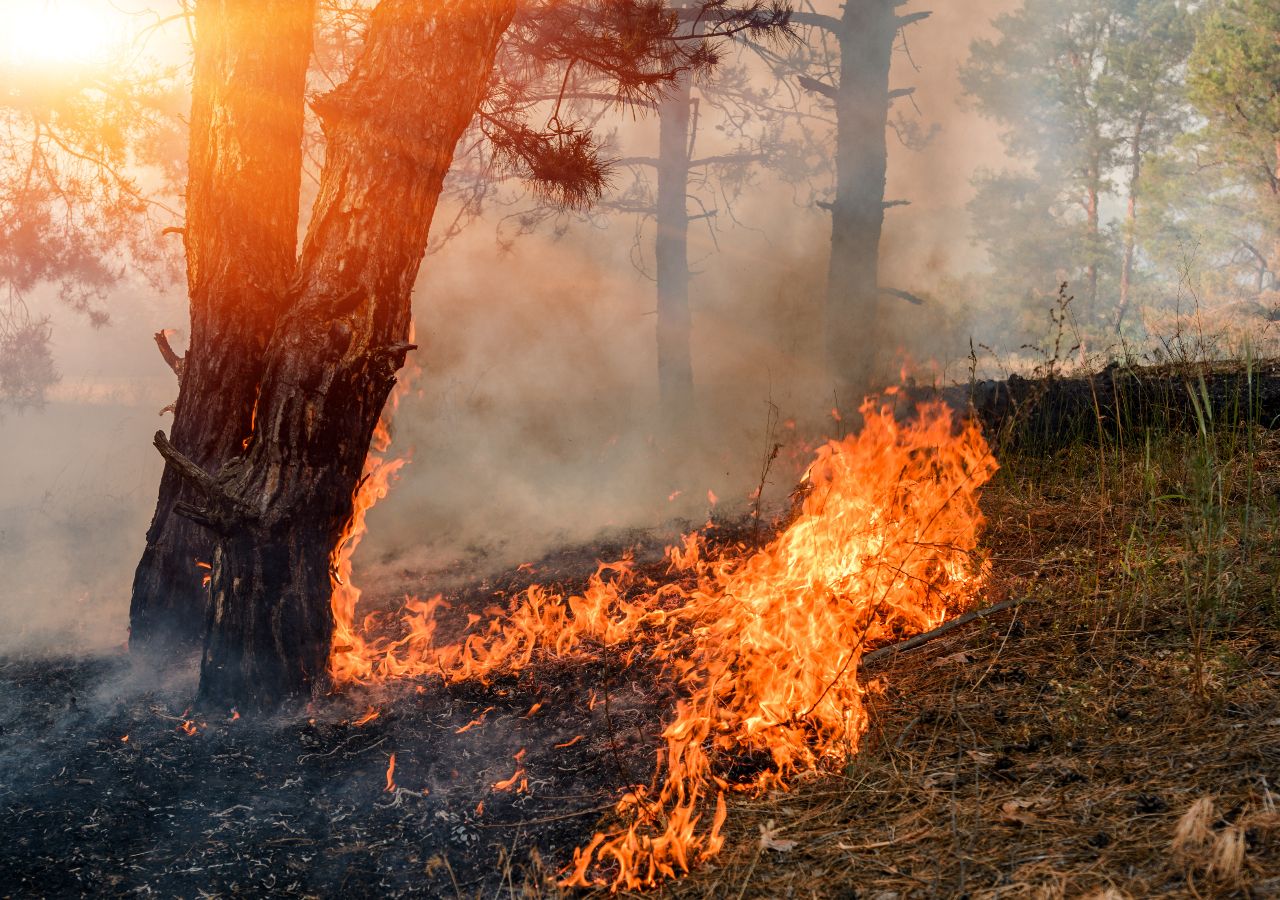
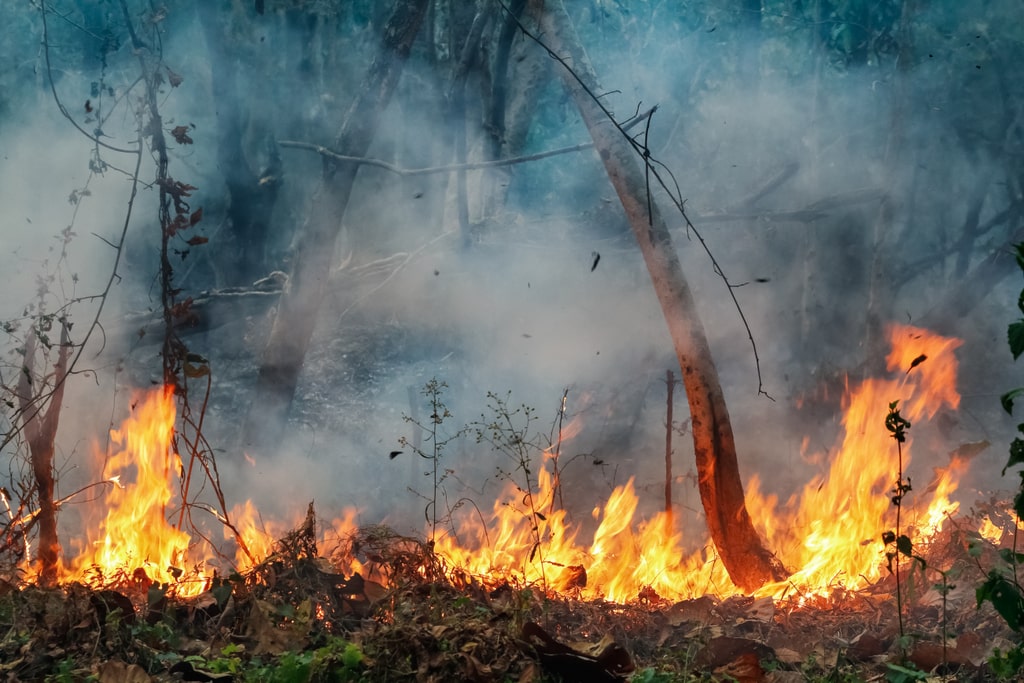 blog.mfrural.com.brNúmeros Recordes De Queimadas E Uma Estação Seca Ainda Longe Do Fim
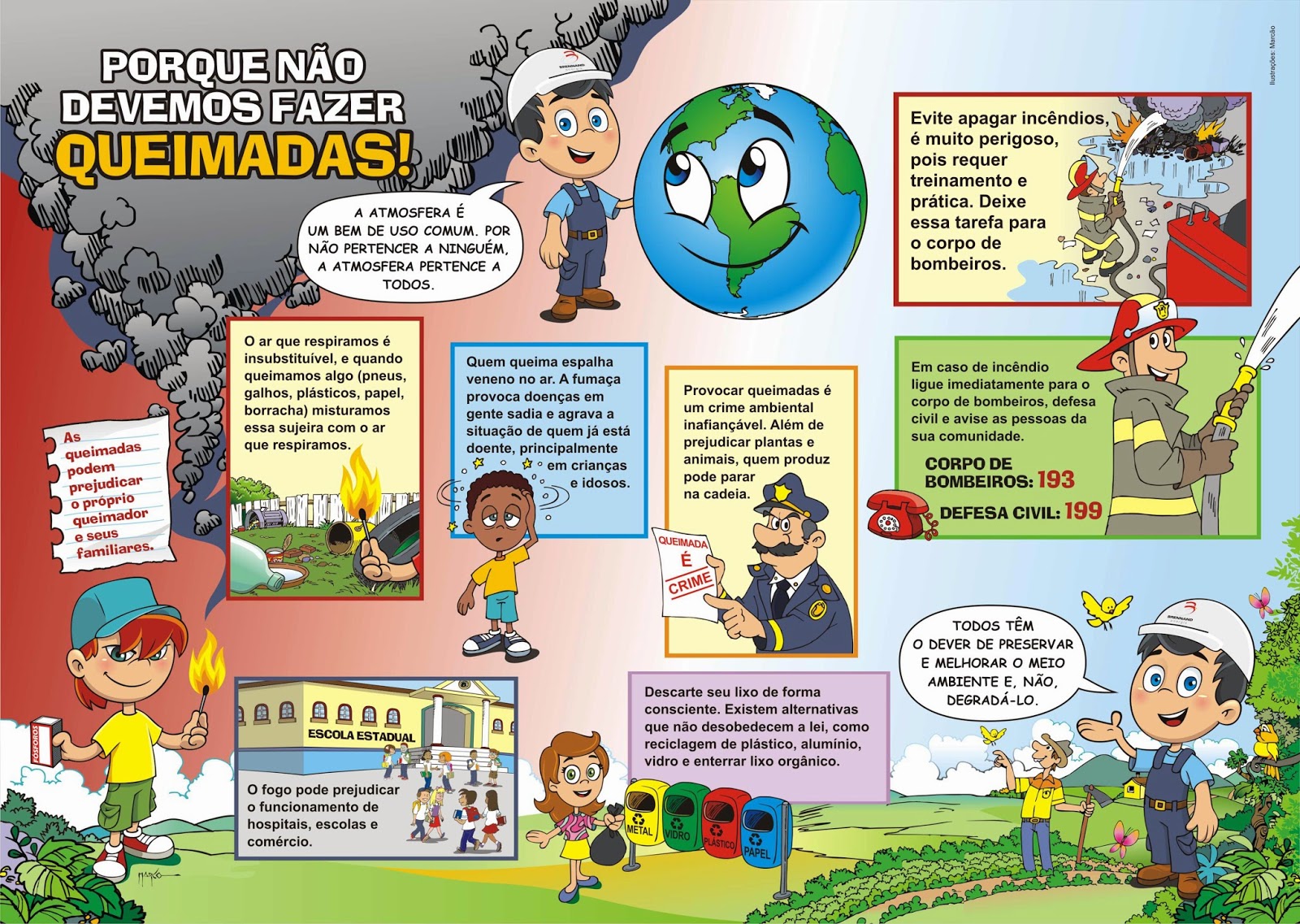
 www.tempo.com.: Porque Não Devemos Fazer Queimadas
 studio82design.blogspot.comÉ Proibido Fazer Queimadas Até Dia 30 De Setembro - Semanário De Felgueiras
 www.semanariofelgueiras.pt.: porque não devemos fazer queimadas. Números recordes de queimadas e uma estação seca ainda longe do fim. Com estiagem, produtor deve ficar atento às queimadas