how to reduce yeast infection during pregnancy Yeast infections during pregnancy, symptoms and safe medication
Pregnancy can be a wonderful and exciting time, but it can also come with some uncomfortable side effects. One such issue that pregnant women may experience is a yeast infection. Yeast infections are a common problem for women of all ages, but pregnancy can put you at an even greater risk for developing this type of infection. Fortunately, there are safe ways to treat and prevent yeast infections during pregnancy. One of the first things to do if you suspect you have a yeast infection is to talk to your healthcare provider. Your provider can perform a simple test to confirm the diagnosis and recommend a course of treatment if necessary. While there are some over-the-counter treatments available for yeast infections, it’s important to get medical advice before taking any medication, especially when pregnant. If your healthcare provider does recommend medication, there are safe options available for pregnant women. Many over-the-counter treatments, such as miconazole and clotrimazole, are considered safe for use during pregnancy. These medications work by stopping the growth of the yeast that causes the infection. It’s important to follow your healthcare provider’s instructions for use, which will often involve inserting the medication into the vagina with an applicator. In addition to medication, there are some natural remedies that may help to prevent or treat yeast infections during pregnancy. One such remedy is yogurt. Eating yogurt that contains live cultures can help to build up good bacteria in your body, which can help to fight off yeast overgrowth. You can also apply plain yogurt directly to the affected area for relief from itching and burning. Another natural remedy that may be helpful is garlic. Garlic has been used for centuries for its antimicrobial properties, and some women have found relief from yeast infections by inserting a garlic clove into the vagina. However, it’s important to note that this remedy has not been extensively studied, and it may not be effective for everyone. Aside from medication and natural remedies, there are some lifestyle changes that may help to prevent yeast infections during pregnancy. One of the most important things you can do is practice good hygiene. This means keeping the vaginal area clean and dry, wearing breathable clothing, and avoiding tight-fitting clothing. You should also avoid using scented products, such as perfumes or deodorants, in the vaginal area. If you do develop a yeast infection during pregnancy, it’s important to treat it promptly to prevent complications. Yeast infections can lead to complications such as preterm labor and the infection can be passed to the baby during delivery. By working with your healthcare provider and taking steps to prevent and treat yeast infections, you can help ensure a healthy pregnancy for you and your baby.
If you are looking for Yeast Infection 101: What You Need To Know – HealthFitnessJoy you’ve came to the right page. We have 5 Pics about Yeast Infection 101: What You Need To Know – HealthFitnessJoy like Say No To Yeast: Home Remedies For Vaginal Yeast Infection Treatment, Home Remedies for Yeast Infections during Pregnancy | Top 10 Home Remedies and also Home Remedies for Yeast Infections during Pregnancy | Top 10 Home Remedies. Here it is:
Yeast Infection 101: What You Need To Know – HealthFitnessJoy
 healthfitnessjoy.comyeast infection foods candida diet fight anti antifungal overgrowth food list help garlic oil coconut combat know health apple cider
Pin On Útil
 www.pinterest.comHome Remedies For Yeast Infections During Pregnancy | Top 10 Home Remedies
 www.top10homeremedies.comyeast pregnancy remedies infections during infection remedy
Yeast Infections During Pregnancy, Symptoms And Safe Medication
 infobaby.orgyeast infections infection
Say No To Yeast: Home Remedies For Vaginal Yeast Infection Treatment
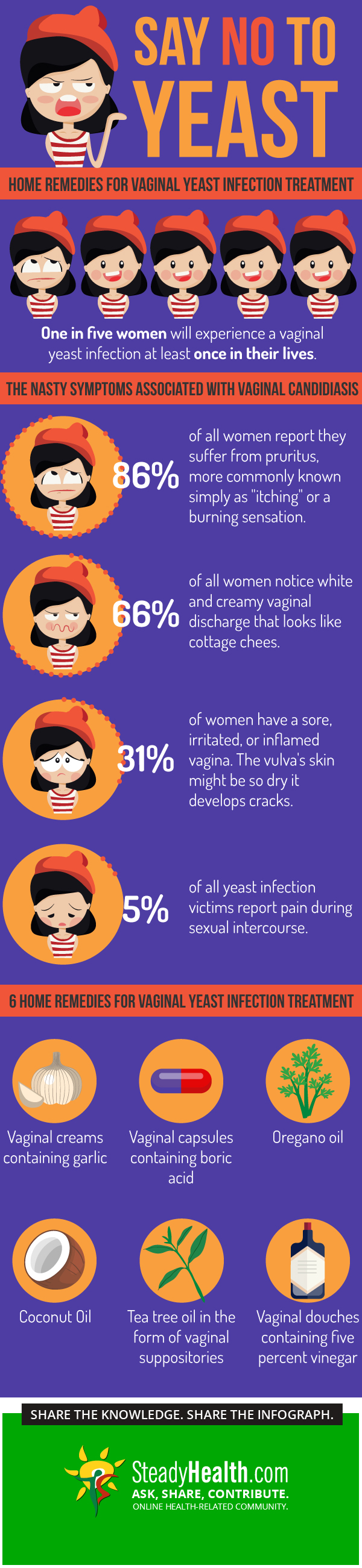 www.steadyhealth.comyeast infection vaginal steadyhealth
Pin on útil. Home remedies for yeast infections during pregnancy. Yeast infection 101: what you need to know – healthfitnessjoy